Director: Chris Crow
Writers: Paul Bryant, Chris Crow, Michael Jibson
Stars: Mark Lewis Jones, Michael Jibson, Ian Virgo
Considering their extremely cinematic nature, it’s surprising that lighthouses haven’t been a more widely used location in films. There have been the occasional productions which have made use of their claustrophobic, isolated characteristics: Kirk Douglas was a lighthouse keeper who came up against vicious pirate Yul Brynner in The Light at the End of the World (71); Klaus Maria Brandauer battled robbers in The Lightship (85); and back at the beginning of the recent British horror film revival James Purefoy stumbled into a slasher plot after being shipwrecked in Lighthouse (99). Beyond that, there was also the Dr. Who story The Horror of Fang Rock, which could easily have been derived from the same source material as Chris Crow’s film The Lighthouse, albeit embellished with fantastical elements rather than treated in the broadly realistic, psychological approach that Crow adopts. This lighthouse here is also rather different to those featured in the other films: rather than a sturdy, stone edifice, it’s a rickety wooden structure which looks rather like a glorified tree house without a tree but with a big lamp stuck on top of it. It’s a great set, with a touch of steampunk to it and with a considerable visual impact; especially considering the low budget which the art director had to work with.
The script, supposedly based on true events, is stripped down to a bare minimum. Two lighthouse keepers arrive at their latest post, a windswept island twenty-five miles off the coast of Pembroke, where they are due to live without any further contact for twelve weeks. Both have their demons: the dour, taciturn Thomas Griffiths (Mark Lewis Jones) is getting over the death of his entire family from consumption; the younger, religious Thomas Howell (Michael Jibson) is plagued by guilt for accidentally causing the death of a several men while at his previous station (although in truth there was little that he could have done about it). The relationship between the two men starts badly but gradually improves… until a storm washes in, the likes of which neither of them have seen before. Days turn into weeks and there is no sign of the relief ship, presumably because the seas are too treacherous to sail in… but with food and drinking water running out, the situation becomes desperate.
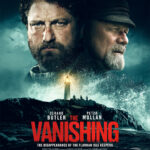
The Lighthouse was one of a handful of productions backed by Film Cymru Wales, which is slowly building up a decent track record with the likes of this and the excellent The Library Suicides. With effective direction from Chris Crow, who was behind the middling Devil’s Bridge (2010) and Panic Button (2011), this makes a refreshing change from the standard British heritage cinema approach to stories based at around the same time: the life of the lightkeepers depicted here is dark, dingy, cold and hard… and that’s not just when they’re on the titular lighthouse itself. Where Crow and his writers – including Jibson – really score points is for making the most of their means. Largely made up of just the two characters, a single location and a comparatively simple story, it concentrates on atmosphere and character rather than ambitious narrative flights of fancy. Towards the end – after the discovery of a crate of whisky and with a coffin repeatedly tapping on the window – the whole situation becomes increasingly frantic; but even before that, when more time is being spent on the daily routine of the two protagonists, it avoids being boring thanks to the committed performances and solid sense of atmosphere. It was also ahead of its time: the same source material was used in two higher profile productions that followed quickly in its wake: The Vanishing (2018) and the over-rated The Lighthouse (2019), which is almost a direct replay of Crow’s film.
Rating: 7/10